
How to Maintain Brand Integrity and Build Customer Trust in 2026
Brand integrity has become the foundation that separates thriving businesses from those struggling to survive in today's crowded marketplace. The business landscape is shifting faster than ever. AI-generated content floods our feeds, deepfakes blur the lines between truth and fiction, cancel culture can upend a brand overnight, and consumers increasingly vote with their wallets based on values. In this environment, maintaining brand integrity isn't just important; it's essential for long-term success and building a good reputation.
Brand integrity is the alignment between what you say, what you do, and how people experience your brand. It's about ensuring your company's values aren't just words on a website but principles that guide every business decision and customer interaction through effective strategies.
In this comprehensive guide, we'll explore 10 actionable strategies to protect and strengthen your brand integrity in 2026. You'll discover practical tips, real-world examples, and tools to help you build customer trust that translates into loyalty and sustainable growth, even as the digital landscape continues to evolve at breakneck speed.
Here's what we'll cover in detail:
- Define Your Core Values and Brand Purpose - Anchor brand integrity with clear, actionable values.
- Build Consistent Brand Identity with Brand Guidelines - Protect brand integrity through cohesive experiences.
- Use AI and Automation Responsibly - Uphold brand integrity with proper guardrails.
- Align Customer Experience and Brand Reputation - Ensure brand integrity at every touchpoint.
- Communicate Transparently - Strengthen brand integrity through openness.
- Train Your Team - Empower employees as guardians of brand integrity.
- Protect Data and Privacy - Build brand trust through ethical practices.
- Manage Social Media and Brand Personality Carefully - Maintain brand integrity across digital channels.
- Monitor Feedback and Reviews - Track brand integrity in real time.
- Measure and Audit to Ensure Consistency - Ensure consistency through accountability
What Is Brand Integrity in 2026 and Why It Matters
Understanding Brand Integrity and Your Brand's Values in Today's Context
Brand integrity is the alignment between what you say, what you do, and how people experience your brand. It's about ensuring your company's values aren't just words on a website but principles that guide every business decision and customer interaction.
Think of it like personal integrity: we trust people who consistently demonstrate reliability, honesty, and authenticity. The same applies to brands. Customers trust brands when their messaging, actions, and the experiences they deliver are all in harmony.
The 2026 context has raised the stakes considerably. AI-generated content can mimic your brand personality but lack an authentic voice. Deepfakes and fake reviews erode trust across entire industries. Regulatory scrutiny around data privacy, sustainability claims, and advertising has intensified.
Meanwhile, the statistics tell a compelling story: 77% of consumers prefer to buy from brands they trust, whilst 82% of investors consider brand strength when making investment decisions. This isn't just about marketing efforts. It's about your business's viability, long-term strategy, and building relationships with your target audience.
Brand Integrity Done Right vs. Wrong
The core formula for maintaining brand integrity in 2026 is simple but demanding: consistency + authenticity + accountability. Your brand message must remain consistent across all customer touchpoints through consistent messaging, your brand authenticity must shine through in genuine actions, and your accountability means owning mistakes and continuously improving. The brand starts with these core elements.
Brand integrity extends far beyond visual identity. It encompasses every brand experience, from social media interactions to product delivery, including tone of voice, customer service quality, product quality, and supply chain practices. The stakes are high: 88% of consumers say brand authenticity is key in their support decisions, whilst 62% want companies to take stands on social issues and will switch brands over misalignment. Your brand stands for something, and customers expect you to live it consistently.
With 75% of brands able to disappear and consumers not caring, maintaining brand integrity has become the crucial differentiator. A strong brand built on a solid foundation creates emotional connections that transcend transactions, turning customers into loyal advocates who drive value through repeat purchases and recommendations. This consistent way of operating reflects your core identity and supports your brand's evolution whilst maintaining authenticity.
Scale Your Brand Without Compromising Your Values
As a trusted 3PL provider in Sydney and Melbourne, we help you maintain brand integrity whilst expanding your reach, ensuring operational capacity matches your marketing claims. Get in touch with us today - (02) 9090 4747
10 Tips for Maintaining Brand Integrity

Tip 1: Define Your Core Values and Brand Purpose to Anchor Brand Integrity
You can't maintain brand integrity without clear, lived core values that guide daily decisions through a long-term strategy. Vague aspirations like "innovation" or "trust" aren't enough. Transform them into specific behaviour standards through a "brand integrity playbook" with concrete "we do/we don't" examples informed by market research.
Research shows 82% of consumers prefer brands whose values align with their own, making authentic core values essential for building relationships. Leadership buy-in is crucial, as brand integrity starts at the top and cascades through different departments. Your brand purpose plays a crucial role in guiding these decisions.
Host regular workshops using real scenarios to help teams internalise how your brand's core identity guides decisions under pressure, and recognise employees who make integrity-driven choices even when they cost short-term revenue.
Tip 2: Build a Consistent Brand Identity with Brand Guidelines to Protect Brand Integrity
Brand consistency is the backbone of brand integrity, with research showing consistent branding increases brand recognition significantly and contributes to revenue growth. Your visual identity, tone of voice, and brand experience must work together to create a cohesive brand identity across all marketing materials and customer touchpoints.
Develop comprehensive brand guidelines and clear guidelines covering logo usage, colours, typography, imagery, and messaging elements, including brand assets management, then ensure different departments follow them. Create an audit checklist reviewing every touchpoint (ads, website, packaging, delivery), asking "Does this consistently deliver on our brand promises?"
Partnering with reliable 3PL providers maintains consistency in fulfilment and delivery, ensuring the final customer experience reinforces your core identity and supports effective strategies for brand reputation management.
Tip 3: Use AI and Automation Responsibly to Uphold Brand Integrity
AI and automation are powerful tools in 2026, but they require proper guardrails to maintain brand integrity and protect your brand reputation. Set clear rules for AI-generated content: what tone is acceptable, what claims need human verification, and what requires approval before publishing. Your messaging frameworks should guide AI tools, not the other way around.
Generic or off-brand AI content damages the authentic voice you've built and creates inconsistent messaging. Make thoughtful disclosure decisions about when to inform customers of AI involvement, as transparency builds the trust brands need.
Use automation to support brand integrity through quality checks, style enforcement, and compliance monitoring in a consistent way, not as shortcuts that compromise your brand's core values or customer experience. This approach supports the creative process whilst maintaining brand consistency.
Tip 4: Align Brand Integrity with Customer Experience and Brand Reputation at Every Touchpoint
Brand integrity lives in the gap between promises and reality across your entire customer experience and brand experience. Map your customer journey, from ads and website to onboarding, billing, support, returns, and delivery, identifying where your marketing promises diverge from actual experiences. Research shows 64% of consumers wish companies would respond faster to their changing needs and market changes, making a responsive, consistent experience crucial.
Close integrity gaps with specific improvements: clear pricing without hidden fees, no dark patterns, simple cancellation processes, and transparent communication about delays or issues. Each touchpoint either strengthens or weakens brand trust, so ensure your operations, sales, and support teams deliver the exceptional service your marketing efforts promise across all channels. Product quality and service quality play a crucial role in maintaining your brand reputation.
Speed Meets Reliability: Exceed Customer Expectations Every Time
Our same-day delivery services and next-day delivery services help you close the gap between promises and reality. Call us now - (02) 9090 4747
Tip 5: Strengthen Brand Integrity and Brand Message with Transparent Communication
Transparency is a core pillar of maintaining brand integrity in 2026, building a deeper connection with customers through honest, proactive communication and consistent messaging. Be upfront about limitations, pricing, data usage, and product changes through clear FAQs, policies, and changelogs that respect customer intelligence.
When something goes wrong (delays, outages, recalls, or PR issues), respond with reactive transparency: acknowledge the problem quickly, explain what happened without excuses, outline corrective actions, and follow through on commitments. Research shows 58% of adults don't trust brands until seeing proof they keep promises, making your crisis response crucial for building trust and maintaining a good reputation.
Transparent communication demonstrates accountability and turns potential brand reputation damage into opportunities to showcase your commitment to customers, supporting your brand's evolution through challenging times.
Tip 6: Train Your Team as Guardians of Brand Integrity and Brand Personality
Brand integrity lives in people, not just documents, making employee training essential for maintaining a consistent brand experience and expressing your brand personality authentically. Include brand values, tone of voice, and behaviour expectations in onboarding, with role-specific examples for sales, support, marketing, and product teams that show how core values guide daily decisions.
These core elements must be understood across the organisation. Conduct regular refreshers using role-play scenarios and "what would we do?" case studies to help employees navigate integrity challenges. Recognition matters. Celebrate integrity-driven decisions even when they cost short-term revenue, reinforcing that brand's core values trump quick wins.
Well-trained teams become your brand's guardians, ensuring every customer interaction reflects your brand personality and upholds the brand promises that drive customer satisfaction and loyalty.
Tip 7: Protect Brand Integrity Through Ethical Data and Privacy Practices
Data handling directly ties to brand integrity in 2026, with 54% of UK consumers stopping purchases from brands found misleading in claims, including data practices. Build trust brands enjoy by implementing clear consent processes, readable privacy notices, and genuine opt-in/opt-out options that respect customer autonomy through clear guidelines.
Collect only data genuinely needed for exceptional service, avoiding creepy personalisation that erodes brand trust. Document and communicate your data practices internally and externally, ensuring all team members understand privacy commitments. When data breaches occur, respond with honesty and speed: acknowledge the issue immediately, explain impacts clearly, outline protective measures, and provide ongoing updates.
Ethical data practices protect brand reputation whilst demonstrating the accountability that builds long-lasting brand strength and maintains a good reputation.
Tip 8: Maintain Brand Integrity on Social Media and Protect Brand Personality with Influencers
Social media amplifies both brand authenticity and missteps, making careful management crucial for maintaining brand integrity and brand personality. Establish clear social media guidelines covering tone of voice, topics to avoid, responses to criticism, and escalation paths for handling negative publicity. Navigate memes, market trends, and newsjacking thoughtfully, ensuring participation aligns with your brand's core identity rather than appearing opportunistic.
Vet influencers and partners thoroughly to ensure values fit, using contracts that protect brand integrity through disclosure requirements, content approvals, and behaviour clauses. Research shows that consumers favour brands with a consistent user experience, meaning every partnership must reinforce your cohesive brand identity. Choose collaborators who share your brand purpose and demonstrate authentic alignment with your company's values, especially when expanding into new markets.
Tip 9: Use Feedback and Reviews to Monitor Brand Integrity in Real Time
Customer feedback is your live "health check" on brand integrity, revealing where you're keeping promises and where you're falling short. Implement systems to capture feedback from multiple sources: NPS/CSAT surveys, review platforms, social listening tools, support tickets, and return data that identifies patterns before they become major issues.
Create simple ways for customers to flag integrity concerns about broken promises or misleading claims through effective strategies, then respond to all reviews (good, bad, and unfair) with professionalism and empathy. Research shows that regular customer feedback analysis demonstrates commitment to customer satisfaction and continuous improvement.
Turn feedback into concrete improvements, close the loop with customers by communicating changes made, and use insights to refine your brand experience across all touchpoints, supporting your brand's evolution.
Tip 10: Set KPIs and Audits to Measure and Ensure Consistency in Brand Integrity
Make brand integrity measurement concrete by tracking specific KPIs: complaint types, churn reasons, repeat purchase rates, trust survey scores, brand recognition metrics, and employee concern channels that reveal integrity issues. Conduct regular brand integrity audits (quarterly or biannually), reviewing messaging consistency, customer experience alignment, data practices, partnership appropriateness, and operational delivery against brand promises to ensure consistency.
These audits should involve cross-functional teams, not just marketing, ensuring different departments contribute insights. Create a simple "brand integrity report" template tracking metrics over time, identifying improvement areas, and ensuring accountability. Research shows 68% of companies report brand consistency contributes 10-20% to revenue growth, making measurement essential for demonstrating ROI whilst maintaining the strong brand foundation that drives long-term success.
Common Threats to Brand Integrity in 2026 (and How to Avoid Them)
Understanding modern threats helps you maintain brand integrity proactively and adapt to market changes. Here are the key risks and how to protect your brand:
- AI-generated content risks: Generic or off-brand AI content can damage your authentic voice and create inconsistent messaging. Avoid this by establishing clear guardrails: set tone standards, require human verification for claims, and implement approval processes before publishing AI-generated materials.
- Greenwashing and purpose-washing: Making sustainability or social impact claims you can't back up destroys trust and damages your good reputation. Avoid this by only making verifiable claims, publishing transparent reports with evidence, and admitting limitations honestly rather than overpromising.
- Dark patterns: Tricking customers into unwanted purchases or subscriptions erodes brand trust. Avoid this by implementing clear pricing, simple cancellation processes, genuine opt-in choices, and transparent communication about all terms and conditions.
- Over-promising during growth: Aggressive expansion can lead to promises you can't keep, especially when entering new markets. Avoid this by setting realistic expectations, ensuring operational capacity matches marketing claims, and prioritising sustainable growth over rapid but unsustainable scaling.
- Inconsistent global messaging: Different messages across markets and new markets confuse your core identity. Avoid this by maintaining clear brand guidelines across all regions, adapting culturally whilst preserving core values, and ensuring all teams understand your brand's non-negotiable elements.
Red Flags to Watch For
Use this quick self-check to spot integrity issues before they escalate:
- Messaging misalignment: Marketing promises don't match the actual customer experience
- Values confusion: Team members can't articulate your brand's core values clearly
- Inconsistent touchpoints: Visual identity or tone of voice varies across channels
- Unvetted partnerships: Collaborating with influencers or suppliers without values alignment checks
- Feedback ignored: Customer complaints pile up without action or response.
- Transparency gaps: Hiding limitations, price changes, or problems from customers
- Data concerns: Collecting unnecessary data or using confusing privacy policies
- Untrained teams: Employees are unclear on how to handle integrity dilemmas
- AI without guardrails: Automating content creation without brand standards or verification
- No measurement: Unable to demonstrate brand integrity improvements or track key metrics
Regular monitoring using these red flags helps you catch issues early, protecting the brand equity and customer trust you've built, whilst enabling quick course correction before small problems become reputation-damaging crises.
Your Brand's Reputation Starts with Reliable Delivery
Our end-to-end logistics and pick and pack solutions ensure your brand promises are kept from warehouse to doorstep. When you consistently deliver on time, you build the trust that separates thriving brands from forgettable ones. Call us now - (02) 9090 4747
Key Takeaways: Building Brand Integrity That Lasts
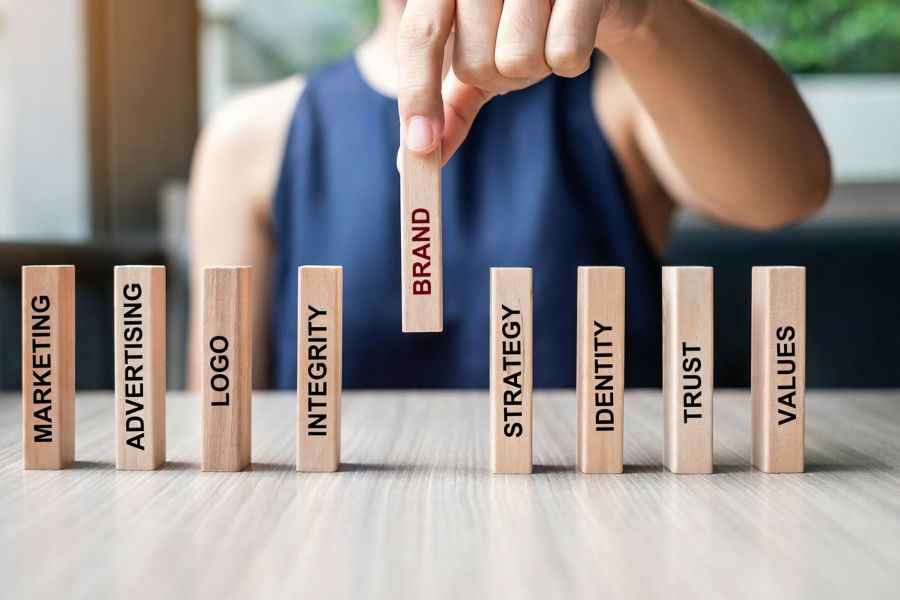
Brand integrity isn't built overnight. It's created through consistent, deliberate actions that align what you say, what you do, and how customers experience your brand. In 2026's competitive market, integrity separates thriving brands from forgettable ones.
These ten strategies create a framework for building trust, enhancing brand recognition, and fostering customer loyalty. Start implementing these tips immediately to strengthen your brand's core identity and create lasting emotional connections with your target audience. Remember that every interaction matters, from your visual identity to your delivery experience.
SKUTOPIA helps you maintain brand integrity through reliable 3PL services that consistently deliver on your brand promises from warehouse to doorstep, supporting the cohesive brand identity and exceptional service that keep customers coming back.

Fariha Shuvakhana
Fariha Shuvakhana is the Chief Growth Officer at SKUTOPIA, a 3PL fulfilment and shipping platform for fast‑growing eCommerce businesses. Fariha focuses on sustainable, customer‑first growth - aligning go‑to‑market strategy with operational efficiency and partner‑led expansion.