
Importing goods into Australia involves understanding import tax Australia rules, particularly customs duty and Goods and Services Tax (GST), which apply to most products unless an exemption or concession applies. You are required to pay import taxes based on the value, category, and origin of your goods.
Shipments valued at AUD 1,000 or more generally require an import declaration to be lodged with the Australian Border Force, and GST and duties may apply above this threshold.
When you import goods into Australia, you must understand how import taxes work, what types you might face, and who is responsible for paying them. These taxes ensure compliance with Australian regulations and impact your total import costs. Knowing these details helps you avoid delays and unexpected charges.
Disclaimer: The information in this guide is general in nature and does not constitute tax, legal, or financial advice. We are not tax professionals or customs experts, and Australian regulations can change without notice. You should confirm your specific obligations with the Australian Taxation Office (ATO), the Australian Border Force, or a qualified tax adviser or customs broker before acting on any information in this article.
Understanding Australia Import Tax
Import tax in Australia is a charge applied to goods brought into the country from overseas. It mainly consists of customs duty and the Goods and Services Tax (GST). Customs duty is a percentage based on the value, type, and origin of goods. GST, at 10%, applies to most imported goods, including the customs duty and shipping costs. Not all goods attract import taxes; some are exempt or fall under concessions. For example, personal use items below AUD 1,000 can be duty-free, but commercial imports usually require payments. You also need to lodge an import declaration for shipments over AUD 1,000, which the Australian Border Force processes.
Types of Import Taxes
There are several types of import taxes you should be aware of:
- Customs Duty: Charged on most goods at rates varying by product classification and origin. Rates can range from 0% to 10% or more.
- Goods and Services Tax (GST): A flat 10% applied on the total value of the imported goods, including customs duty and shipping costs.
- Wine Equalisation Tax (WET) and Luxury Car Tax (LCT): These apply to specific goods like alcoholic beverages and luxury vehicles.
Each tax is calculated differently. Customs duty depends on the tariff classification, whereas GST is calculated on the combined cost after customs duty is added. Understanding these different charges helps you prepare accurate import cost estimates.
Who Is Required to Pay
If you import goods valued over AUD 1,000, you or your licensed customs broker must submit an import declaration and pay the applicable import taxes. This responsibility usually falls on the importer named on the declaration.
For personal use, some goods under AUD 1,000 may be exempt, but commercial imports, resale goods, or items above this threshold will definitely incur tax. The Australian Border Force enforces these rules at the border and won't release your shipment until taxes and charges are settled.
In some cases, freight forwarders or customs brokers handle payments on your behalf, but legally, the importer remains liable for all import taxes due.
Automate Your Fulfilment, End to End
Unlock AI-powered robotic fulfilment, third-party logistics 3PL services and strategic metropolitan warehousing with SKUTOPIA. Book a call today and turn your backend operations into a scalable growth advantage. Get started today - (02) 9090 4747
Calculating Import Taxes and Duties in Australia
Understanding how import taxes and duties are calculated helps you avoid unexpected costs when bringing goods into Australia. These calculations depend on the customs value of your goods, the applicable tax rates, and various fees involved in the customs clearance process.
Determining Customs Value
The customs value is the starting point for calculating import taxes. It usually includes the cost of the goods, freight charges, and insurance up to the Australian border. You must provide an accurate import declaration with these values.
If your goods were purchased internationally, the invoice price forms the base. Then, customs add freight and insurance costs to determine the total value for taxation. This comprehensive value ensures GST and duties are calculated fairly.
Errors in your customs value declaration can delay clearance or increase penalties, so accuracy is essential for smooth processing.
How GST, Duties, and Fees Are Calculated
In Australia, you pay Goods and Services Tax (GST) at 10%, applied to the full customs value plus customs duty and import processing charges. Customs duty rates vary widely based on the type of product and its category.
Besides GST and duty, you will usually pay an Import Processing Charge, which covers the administrative cost of processing your shipment. This fee differs depending on the value or type of goods imported.
Here is a simple formula for clarity:
Total Cost = Customs Value + Customs Duty + Import Processing Charge + GST (10% on all previous totals)
This ensures you are paying tax on the complete landed cost of your product.
Key Factors Affecting Total Import Cost
Several factors influence how much you’ll pay in import taxes and duties:
- Product classification: Different goods have different tariff rates. Check the tariff codes carefully.
- Origin of goods: Free Trade Agreements (FTAs) can reduce or eliminate duties if your goods qualify.
- Value threshold: Goods under certain value amounts may be exempt from duty but still attract GST.
- Freight and insurance: Higher costs here increase your customs value, raising the tax base.
- Customs clearance method: Whether you use a customs broker or self-clearance can affect additional fees and timelines.
Being aware of these factors helps you plan better and keep costs under control during the customs clearance process.
Major Import Taxes and Special Levies in Australia
When importing goods into Australia, you will encounter several key taxes and levies based on the type and value of your items. These charges ensure compliance with national revenue rules and impact your overall import costs. The main taxes include GST, specific levies on luxury vehicles, and duties on certain wine products.
Goods and Services Tax (GST)
GST applies to most goods you import, set at 10% of the taxable importation value. This value includes the cost of the goods, shipping, insurance, and any customs duty payable. The Australian Taxation Office (ATO) administers this tax, which businesses and private individuals must pay at the time of customs clearance.
If you are registered for GST, you may be eligible to claim a GST credit for imports related to your business activities. However, if you are a private individual or not registered, you must pay GST on all taxable items regardless of the value. Goods valued at $1,000 or less are generally not subject to GST or duties at the border (except alcohol, tobacco), though overseas vendors may collect GST on consumer sales.
Luxury Car Tax (LCT)
LCT applies to imported luxury vehicles that exceed certain thresholds. For the 2025–26 financial year, the LCT threshold is $91,387 for fuel-efficient vehicles and $80,567 for other vehicles. You pay 33% tax on the value above the applicable threshold. When you import a vehicle priced above these amounts, you must pay an additional 33% tax on the value above the threshold.
This tax aims to impose higher costs on luxury imports and is calculated on the import’s value, including customs duty but excluding GST. You are responsible for lodging detailed declarations with the ATO or the Australian Border Force when bringing these vehicles into the country.
Wine Equalisation Tax (WET)
The WET is a 29% tax on wine you import, based on the wholesale value. This equalisation tax applies to both commercial and private imports and is designed to ensure tax equity between domestic and imported wines.
When importing wine, you must declare the quantity and value to Australian Customs. The tax applies before GST, meaning you pay WET first and then GST on top of the total cost, including WET. If you are a registered business that sells wine, you may be able to claim WET credits depending on your activities and tax status.
Australian Import Tax Duty Concessions and Exemption Schemes

Understanding duty concessions and exemptions can help you reduce or avoid import taxes when bringing goods into Australia. These schemes provide specific relief based on the nature of your imports, their use, or their value. Knowing which applies to your situation improves cash flow and compliance.
Tariff Concession Orders
Tariff Concession Orders (TCOs) give you duty-free access to imported goods that are not made in Australia. If your imported goods fit the criteria under a TCO, you won’t pay customs duty, though GST still applies unless exempted.
You need to apply for a TCO by proving that the goods are not locally manufactured or available. The TCO typically lasts for a limited period and must be renewed if you keep importing the items. This concession mainly targets businesses requiring parts or specialised equipment unavailable domestically.
Make sure to check current TCO listings and conditions, as improper classification can lead to penalties or backdated duty payments.
Tradex Scheme
The Tradex Scheme allows you to import goods without paying customs duty and GST upfront if those goods are for re-export or will be used to produce goods for export. This eliminates the need to claim a duty drawback later, speeding up your cash flow.
To qualify, you must commit to exporting the imported goods within 12 months. If the goods are used domestically or not exported, you’ll be liable to pay the duty and GST.
This scheme benefits manufacturers and exporters by reducing financial burdens associated with import taxes on inputs or finished products that leave Australia.
Duty-Free Allowance Policies
You can import goods valued up to AUD 1,000 without paying GST or customs duty. This low-value threshold applies mainly to private individuals and travellers importing goods for personal use.
Certain limits apply to tobacco, alcohol, and other restricted items. Goods over the threshold will be subject to applicable duties and taxes. The allowance does not extend to commercial imports or goods intended for resale.
Be aware of thresholds and product limits to avoid unexpected tax bills. Use this allowance only when importing low-value items for personal use or gifts.
Streamline Every Order From Checkout to Dispatch
Stop drowning in packing slips. Let automated pick and pack, the SKUTOPIA shipping platform, and retail fulfilment services streamline every order from checkout to dispatch. Call us - (02) 9090 4747
Australian Tax on Imports - Free Trade Agreements and Reduced Duties
Understanding how Australia’s Free Trade Agreements (FTAs) can lower your import costs is essential. These agreements impact the tariffs applied to your goods, but to benefit, you must navigate the specific rules and processes involved.
Overview of Australia’s Free Trade Agreements
Australia has FTAs with multiple countries, designed to reduce or eliminate tariffs on certain goods. These agreements cover key trading partners such as China, Japan, South Korea, and the United States, among others.
Each FTA specifies the products eligible for preferential treatment and includes detailed rules on origin. The country of origin determines whether reduced tariffs apply, so the goods you import must meet these criteria. Not all goods qualify; for example, some luxury products like alcohol or tobacco might still attract higher duties.
Tariff Concession Orders (TCOs) complement FTAs by allowing duty reductions on specific imported goods not covered by FTAs. You can apply for a TCO if your goods aren’t sufficiently covered but are used in Australia’s manufacturing or industrial processes.
Claiming Preferential Tariffs
To access reduced tariffs under an FTA, you need to prove your goods qualify by providing documentation showing their origin. This usually involves certificates of origin issued by the exporting country.
You must submit this evidence to customs when you import your goods. Without it, the standard tariff rates will apply.
Each FTA has unique rules and documentation requirements, so it’s important to check the specific agreement relevant to your goods. You can often find guidance through government websites or by consulting customs brokers.
Be aware that even when your goods qualify, exemptions or special conditions may apply, especially for restricted or sensitive products. Reviewing these details ensures you don’t miss out on potential duty savings.
Australian Import Tax - Compliance Requirements and Customs Clearance
When importing goods into Australia, you must ensure all declarations are correctly submitted and that the clearance process adheres to regulations set by the Australian Border Force. You will also encounter fees such as import processing charges that need to be managed accurately to avoid delays or penalties.
Submitting an Import Declaration
You are required to lodge an Import Declaration through the Integrated Cargo System (ICS) for all goods entering Australia. This declaration provides essential information, including the nature, value, and origin of the goods. Lodging it correctly ensures compliance with government regulations and allows the Australian Border Force to assess applicable duties and taxes.
You can submit the declaration yourself or authorise a licensed customs broker to act on your behalf. Using a broker can reduce errors and expedite the process, especially if you are unfamiliar with compliance rules. It’s important to include all costs tied to production assists, as undervaluation may lead to compliance penalties.
Customs Clearance Process Steps
The customs clearance process starts after you submit the Import Declaration. The Australian Border Force reviews your submission and checks the goods against biosecurity standards and import restrictions. This review ensures goods meet safety and regulatory requirements.
If approved, your goods can be released for home consumption or stored in a licensed warehouse. The process might involve inspections or additional documentation requests, depending on the type of goods. Acting promptly on any requests supports smoother clearance and avoids unnecessary delays.
Import Processing Charges
An Import Processing Charge (IPC) is imposed to cover costs related to customs clearance administration. The amount depends on the value and type of goods you import, so it’s important to budget for these charges in advance.
The IPC is payable at the time of clearing goods through customs and is separate from customs duty or GST. Failure to pay the IPC can result in delayed clearance or penalties. Knowing these charges ahead of time helps you manage overall import costs effectively.
Australia Import Tax Registration and Reporting for Importers

When bringing goods into Australia, your obligations do not end at customs. Understanding how to register for tax and report your import activities accurately ensures compliance and prevents costly penalties.
Obtaining an Australian Business Number
If you plan to import goods for business purposes, you must have an Australian Business Number (ABN). The ABN is a unique 11-digit identifier that the Australian Taxation Office (ATO) uses to recognise your business in tax and other government systems.
You can apply for an ABN online through the Australian Business Register website. Having an ABN is essential because it allows you to register for Goods and Services Tax (GST), claim input tax credits, and lodge your business activity statements.
Without an ABN, you cannot legally import goods for resale or business use. Ensure your ABN details are up to date, especially your business address and contact information, to avoid disruptions.
Filing a Business Activity Statement
Once registered for GST with your ABN, you must report your import-related taxes through the Business Activity Statement (BAS). The BAS is a form you submit to the ATO regularly, typically monthly or quarterly.
On your BAS, you declare GST collected from sales and GST paid on importations, including customs duty and import GST on goods valued over AUD 1,000. You can also claim credits for GST paid on business purchases.
Accurate BAS reporting is crucial to managing your cash flow and ensuring you meet your tax obligations without incurring fines. Keep records of all import documentation, such as invoices and import declarations, as the ATO may request them during audits.
Deferred GST on Imports
Deferred GST allows GST-registered importers to delay paying GST on imported goods until they lodge their next BAS. This system simplifies cash flow management by avoiding upfront GST payments at the border.
To use deferred GST, you must be registered for GST, have an active ABN, and notify the ATO of your intention to defer before importation. This process requires you to keep detailed records of all deferred import GST amounts.
Deferred GST allows registered importers to include GST owed on imported goods in their next Business Activity Statement (BAS) instead of paying upfront at the border. Importers can also simultaneously claim an input tax credit for the GST on goods related to their business activities, improving cash flow.
Be aware that deferred GST is not available for all goods; certain high-risk categories or imports under specific schemes may require immediate payment. Check the latest ATO guidelines to confirm eligibility.
Import Tax Australia: Other Regulatory and Additional Charges
When importing goods into Australia, you may encounter specific duties aimed at protecting local industries, along with additional costs linked to shipping and insurance. Understanding these charges helps you accurately calculate the total expense of bringing your goods into the country.
Countervailing Duties and Anti-Dumping Measures
Countervailing duties are imposed when imported goods receive subsidies from their country of origin that cause unfair competition in Australia. These duties level the playing field by increasing the cost of such imports to match local market conditions. Anti-dumping measures apply if goods are being sold below fair market value, undercutting Australian producers.
You must be aware that these duties are applied on a case-by-case basis by the Australian Border Force following investigations. They can vary in amount depending on the extent of the subsidy or dumping margin. If your goods fall under these categories, expect higher import costs in addition to regular customs duty and GST.
Impact of Freight and Insurance Costs
Freight and insurance costs are critical to your import tax calculation as they form part of the total customs value. The Australian Border Force includes transportation fees, insurance, and any related handling charges in the value on which duty and GST are assessed.
You should factor in all incurred costs: sea or air freight charges, marine insurance, and any logistics fees before your goods arrive. Failure to include these will result in underestimating import taxes. Keep detailed documentation of these expenses, as you will need to declare them accurately when lodging your import declaration.
How Import Duties Are Applied in Practice
Real-World Examples of Import Duty Calculations
When you pay import duty in Australia, the amount is usually a value-based tax applied to the customs value of your goods, expressed in Australian dollars. The customs value is typically the price paid to the overseas supplier plus international shipping and insurance, adjusted using current exchange rates when the invoice is in the currency of other countries.
Once the customs value is set, the applicable import duties are worked out using the import duty rate in the tariff for that product. Customs fees, import processing charges, and any excise duty (for items such as fuel or certain alcohol) are then added. GST is calculated last, based on the total of these amounts.
Low-value imports may qualify for simplified treatment or duty-free entry, but can still remain subject to GST or other charges if exemptions apply only to certain taxes and not others. This is why it’s essential to understand how import taxes are calculated, not just the advertised product price.
Sector-Specific Import Duty Considerations
Food, PPE, Tobacco, and Luxury Vehicles
Different goods attract different types of import duty and additional taxes. Imported food may be subject to strict customs regulations and biosecurity checks, and certain items can also attract higher duty or anti-dumping duty if the Australian government determines that Australia imposes trade remedies to protect local producers. Personal protective equipment can sometimes be covered by concession schemes in specific circumstances, particularly during recognised emergencies, but outside these periods, normal tariff and GST rules apply.
Tobacco products and some fuels often attract excise duty in addition to customs duty and GST, significantly increasing landed costs. For luxury cars imported above the LCT threshold, import duty, GST, and Luxury Car Tax all interact, which can have a major impact on your profit margins. Understanding how each charge on imported goods is calculated helps you accurately price products and avoid underquoting customers.
Working with Customs Brokers and Licensing
When to Use Customs Brokerage Services
Many importers engage customs brokerage specialists to calculate customs duty correctly, classify goods, and ensure they are in line with current rules, with all import taxes calculated. A broker can also advise whether you need an import licence for restricted products and check if any concession schemes, FTAs, or exemptions apply to your shipment.
Brokerage fees add to your overall customs fees, but they can reduce the risk of penalties, delays, or backdated duty assessments. This is especially useful when dealing with complex product lines, mixed consignments, or frequently changing regulations.
Parting Thoughts: Managing Import Duty and Taxes in Australia
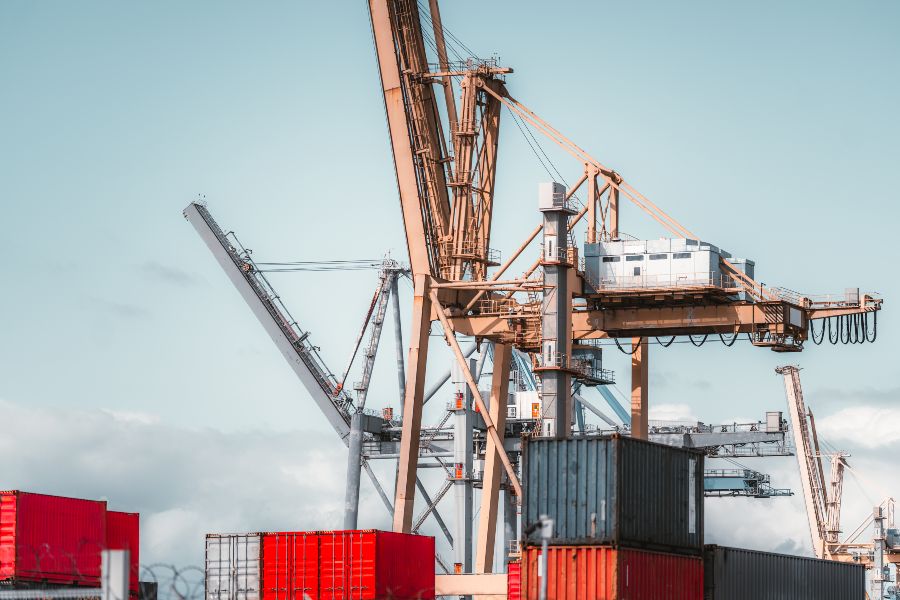
Importing into Australia means more than just paying for stock and freight. You must factor in import duty, GST, possible excise duty, anti-dumping duty, and various customs fees, all calculated from the customs value in Australian dollars. By understanding how import goods calculated amounts are used for tax purposes, checking whether any concessions or duty-free entry options exist, and using professional customs brokerage when needed, you can stay compliant and protect your profit margins.
Careful planning around product classification, licences, and special sectors like imported food, PPE, tobacco products, and luxury cars imported will help you navigate Australia’s import tax system with fewer surprises.
Turn Delivery Speed Into a Conversion Lever
Delight customers with cloud fulfilment, same-day courier delivery, and reliable next-day options with fast standard shipping nationwide. Switch your fulfilment to SKUTOPIA. Schedule a meeting with us today - (02) 9090 4747

Fariha Shuvakhana
Fariha Shuvakhana is the Chief Growth Officer at SKUTOPIA, a 3PL fulfilment and shipping platform for fast‑growing eCommerce businesses. Fariha focuses on sustainable, customer‑first growth - aligning go‑to‑market strategy with operational efficiency and partner‑led expansion.