How Artificial Intelligence in Logistics Industry is Reshaping The Landscape
AI in logistics is transforming the industry by enabling supply chains to become more efficient, accurate, and responsive. With AI, you can access real-time data, predictive advanced analytics, and automation that improve every stage of the supply chain, from inventory management to route optimisation and maintenance forecasting.
AI-powered fulfilment from a trusted 3PL provider allows your business to reduce costs, speed up delivery, and enhance decision-making with smarter forecasting and automated processes. In practice, this can include robotic systems that dynamically adjust to order volumes, optimise pick paths, and work alongside human teams to handle repetitive or high-volume tasks. This shift is moving the industry away from manual and reactive operations towards a data-driven, robotics-enabled, proactive system that adjusts quickly to changing conditions.
For anyone involved in supply chain management, understanding how AI integrates with your existing technology is essential. The adoption of AI-powered tools is no longer experimental; it’s a key driver of performance and resilience in a complex global market. Want the deeper technical picture of how this all works inside a fulfilment centre? See our guide to robotic fulfilment.
Understanding AI in Logistics and Supply Chain Basics
AI in logistics improves how supply chains operate through better prediction, automation, and real-time data use. It improves supply chain resilience and moves them from reactive, manual processes to proactive, data-driven systems that boost efficiency and reduce costs.
How AI in Logistics is Revolutionising the Logistics Landscape
Utilising AI systems and LLMs can transform logistics by automating tasks such as route planning, demand management, and inventory forecasting. Modern AI capabilities also enable true end-to-end demand forecasting and planning - helping you accurately predict stock needs, optimise inventory levels, and plan orders well in advance. This reduces operational inefficiencies, lowers costs, and minimises errors through predictive analytics that can anticipate disruptions before they happen.
Technologies like machine learning and computer vision give you detailed visibility into warehouse operations and shipment tracking. This leads to smarter decisions, faster responses, and higher accuracy in fulfilling orders. AI also enhances customer satisfaction by improving delivery times and transparency.
Evolution of AI in Supply Chains
AI in supply chains has progressed from simple automation to complex, interconnected systems that learn and adapt. Early systems focused on basic mechanisation, while today’s AI integrates predictive data analytics, intelligent automation, and natural language processing.
Logistics companies can now access tools that continuously analyse data to optimise inventory levels, forecast demand, and automate supplier coordination. This evolution supports more agile and resilient supply chains, enabling you to respond quickly to market changes or disruptions.
Turn shipping from a headache into a growth engine.
Plug into SKUTOPIA's shipping platform and Same Day Delivery Service to unlock smarter carrier optimisation and faster door-to-door delivery - the same kind of AI-driven shipping logic that helped tbh Skincare scale to 1M+ units shipped with a 20x increase in daily orders. Get started today - (02) 9090 4747
Key Applications of AI in Logistics Enterprises
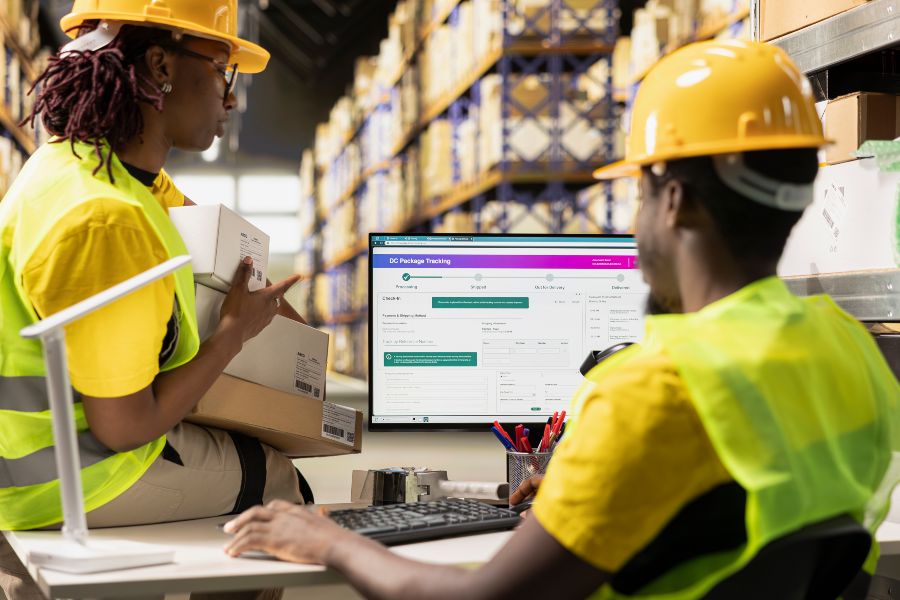
AI impacts many facets of logistics, improving accuracy, efficiency, and cost-effectiveness. You gain better demand prediction, smarter routing, automated handling, and numerous other operational enhancements. Understanding these key areas helps you leverage AI where it matters most.
Demand Forecasting with AI in Logistics
AI demand forecasting uses machine learning algorithms to analyse extensive historical sales data, market trends, and external factors such as weather and economic indicators, improving forecast accuracy by approximately 20–50% compared to traditional methods under stable conditions.
With this deeper level of predictive insight, you can more precisely plan inventory, maintain optimal stock levels, and align order volumes with real demand. This significant reduction in forecasting errors enables better inventory and demand planning, minimises overstock and stockout risks, and supports smoother fulfilment operations across your supply chain.
By anticipating demand shifts early, you can optimise inventory levels, reduce stockouts, and minimise excess storage costs. AI can also adjust forecasts in real time as new data arrives, helping you respond promptly to unexpected market changes.
Accurate demand forecasting aids in resource planning across the supply chain, ensuring your operations run smoothly without overburdening warehouses or transport networks. It reduces waste and improves customer satisfaction through better product availability.
Route Optimisation in AI-Driven Logistics
AI-powered route optimisation evaluates multiple variables simultaneously, including traffic, fuel consumption, vehicle capacity, and delivery time windows. This allows you to create the most efficient delivery vehicle routing options, saving time and lowering operating costs.
Dynamic AI algorithms update transportation routes in real time based on live data, such as traffic jams or last-minute order changes. This adaptability ensures your fleet runs at peak efficiency and meets tight delivery schedules.
You can also use AI to balance workload across vehicles and drivers, improving utilisation rates. Route optimisation reduces fuel use, emissions, and wear-and-tear on vehicles, contributing to more sustainable logistics operations.
Warehouse Automation via AI in Logistics Management
AI automates many warehouse processes, from sorting to real-time tracking of inventory. Computer vision and robotics work together to handle packages accurately and swiftly, reducing human error and manual labour.
With optimised warehousing and distribution, you benefit from faster processing times, consistent order fulfilment, and improved space management. AI monitors stock levels in real time, triggering replenishment when necessary and optimising storage layout based on item demand.
Automated and intelligent systems also enhance safety by identifying hazards and managing workload, allowing your staff to focus on more complex tasks. This leads to higher overall productivity and operational reliability within your warehouse.
Other AI in Logistics Use Cases
Beyond core areas, AI supports fraud detection, risk management, and predictive maintenance. By analysing patterns, AI identifies anomalies in shipments or billing to prevent losses.
You can benefit from artificial intelligence-driven predictive maintenance to monitor vehicle conditions and schedule repairs before breakdowns occur, reducing downtime. AI also aids supplier selection and contract management through data-driven insights.
Natural language processing improves customer service by automating responses to customer inquiries and tracking updates. These additional applications make your logistics network more resilient and responsive, addressing challenges across the supply chain.
Future-proof your logistics with dual-city coverage.
Anchor your ecommerce operations in our Third-Party Logistics Provider 3PL warehouses for resilient, scalable fulfilment. Boost Lab did exactly that, scaling processing capacity 5x while cutting fulfilment costs by 50%. Explore our Sydney and Melbourne fulfilment centres. Schedule a call to map out your warehouse setup - (02) 9090 4747
Benefits and Challenges of Implementing AI in Logistics
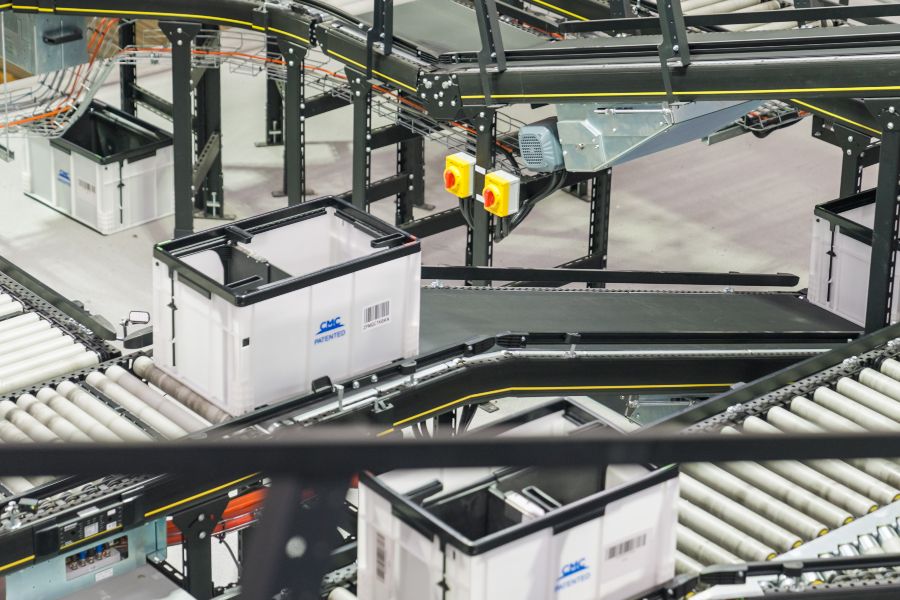
Adopting AI in logistics delivers significant improvements in efficiency and precision, but it also involves complex obstacles. You can expect gains in areas like route optimisation, demand forecasting, and warehouse automation, balanced against practical concerns such as cost, integration difficulty, and security risks.
Major Benefits of AI in Supply Chain Logistics
AI enables you to optimise delivery routes dynamically, reducing fuel consumption and speeding up transit times. It enhances demand forecasting accuracy by analysing large datasets, helping to avoid stockouts or overstock situations.
Automation of warehouse operations and order processing through AI-driven robotics and digital system controls boosts throughput and reduces human error. AI also increases supply chain transparency, giving you real-time visibility for better decision-making.
You benefit from predictive maintenance on vehicles and equipment, cutting downtime and repair costs. AI-powered data analysis supports faster response to disruptions, improving the overall resilience of your logistics systems.
Challenges in AI Logistics Integration
Implementing AI often requires significant upfront investment in technology and specialised staff training. You may face complex system integration issues, especially when combining AI solutions with existing legacy systems.
Security concerns arise as AI systems rely heavily on data, making logistics operations vulnerable to cyber threats if not properly secured. Overdependence on AI can also create risks, particularly if systems fail or lack human oversight.
Managing change within your organisation becomes critical; employees may resist new technology or need time to adapt. You must carefully balance technological advancement with practical, operational realities to ensure smooth AI adoption.
Real-World Case Study: How SKUTOPIA Utilises AI in Logistics
SKUTOPIA’s AI-powered, robotics-driven fulfilment combines automated micro-fulfilment centres with predictive complex algorithms to enhance order speed and accuracy. Our platform uses AI-driven warehouse management software, demand forecasting and real-time inventory visibility to optimise stock placement, courier selection and same-day dispatch for eCommerce brands.
Success Stories from SKUTOPIA
In SKUTOPIA’s Babyboo case study, the fashion brand recorded year-on-year monthly order growth uplifts of up to 77% after moving its fulfilment to SKUTOPIA, along with an >80% improvement in orders fulfilled within 24 business hours and a ~270% improvement in stock transfers completed within two business days. SKUTOPIA's AI-driven fulfilment can support same-day dispatch performance of around 99.9%, demonstrating how automation reduces delays and boosts customer satisfaction.
SKUTOPIA automates key fulfilment processes to scale eCommerce operations, using AI-powered robots to handle receiving, storage, picking, packing and dispatch. Our robotic fulfilment centres in Sydney and Melbourne are designed to process up to 20,000 orders per day in a compact footprint, achieve up to 99.96% order accuracy, and maintain up to 99.94% same-day dispatch, enabling brands to handle larger order volumes without compromising precision.
In 2025, SKUTOPIA raised A$38 million, valuing the company at approximately A$100 million, which is being invested to scale our AI-driven robotic fulfilment and shipping technology networks in Australia. This growth underscores the effectiveness of our automated fulfilment model.
The Future of AI in Logistics and Supply Chains

You can expect AI to advance beyond current automated processes by incorporating real-time decision-making and autonomous systems. This will impact areas like route planning, inventory management, and risk assessment with heightened accuracy and reduced human intervention.
Emerging Trends in AI Logistics
One key trend is agentic AI, which acts independently to optimise supply planning by analysing vast data sets and adjusting strategies dynamically. This reduces the impact of demand volatility and supply disruptions on your operations.
Another important development is autonomous delivery systems. Self-driving vehicles and drones are becoming more viable for last-mile delivery, cutting costs and speeding up fulfilment. Additionally, predictive maintenance powered by AI minimises downtime by forecasting equipment failures before they happen.
You should also note the growing use of real-time visibility tools, which provide end-to-end tracking and alerts. This improves coordination across the supply chain and helps you respond faster to issues. These trends collectively enhance efficiency, reduce costs, and increase reliability.
Predictions for AI's Logistics Revolution
AI will increasingly drive dynamic optimisation of logistics networks, adjusting routes, inventory levels, and resource allocation based on live data. This means your supply chain will be more adaptive and resilient to disruptions.
Demand forecasting will improve with generative AI models that incorporate wider variables, offering you a clearer picture of future trends. This heightened accuracy will lower excess stock and stockouts, saving money and enhancing customer experience.
You can also expect AI to empower smarter risk management, identifying vulnerabilities across suppliers, transportation, and markets. Proactive insights will allow you to mitigate risks before they escalate.
In short, AI's role in logistics will evolve from automation support to strategic partner, enabling you to make faster, data-driven decisions that improve every link in your supply chain.
Turn chaotic order piles into a smooth, repeatable packing rhythm.
Transform the way your warehouse runs with SKUTOPIA's Pick and Pack Solutions, designed to reduce errors, speed up dispatch, and keep every order picking and packing accurate and on time - the same system Babyboo used to grow order volume 77% while holding a 99.9% same-day dispatch rate. Book a strategy call - (02) 9090 4747

Fariha Shuvakhana
Fariha Shuvakhana is the Chief Growth Officer at SKUTOPIA, a 3PL fulfilment and shipping platform for fast‑growing eCommerce businesses. Fariha focuses on sustainable, customer‑first growth - aligning go‑to‑market strategy with operational efficiency and partner‑led expansion.