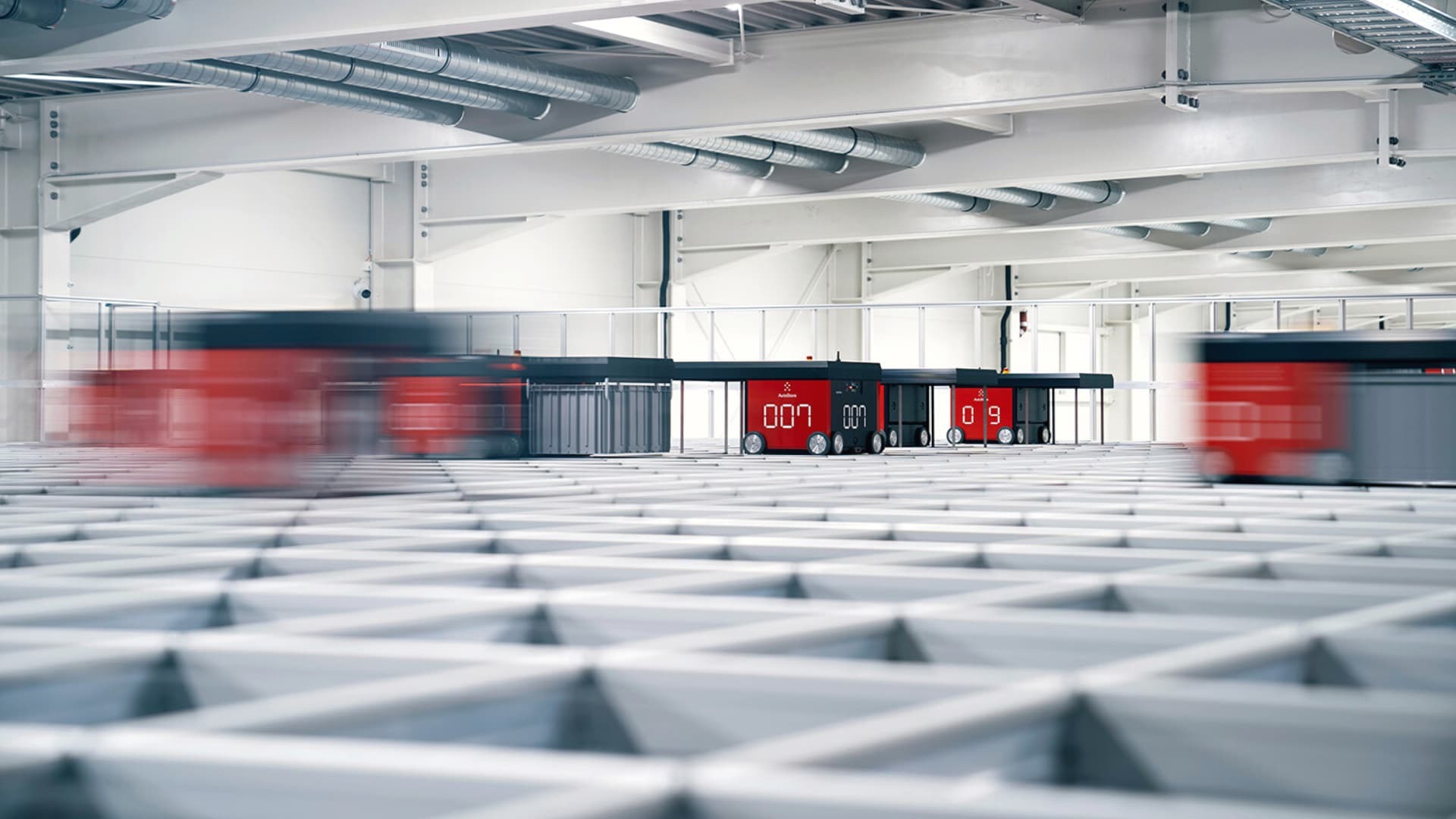
The advent of eCommerce has completely transformed the way consumers shop, making it more convenient and accessible than ever before. As a result, businesses have had to adapt their operations to meet the demands of online shoppers, and one way they have done so is by implementing robotics technology in their fulfilment centres.
A robotic fulfilment centre is a facility that uses robots and automated systems to handle the storage, picking, packing, and shipping of products. These centres are designed to optimise the order fulfilment process and minimise human intervention, reducing the time and cost associated with managing inventory and orders.
It is essential for businesses to understand what a robotic fulfilment centre is because it can help them improve their operations and enhance their customer experience. By implementing robotics technology, businesses can increase their efficiency, accuracy, and speed of order processing, which can result in improved customer satisfaction and loyalty.
Moreover, the use of robotics technology in fulfilment centres has revolutionised the way businesses manage their inventory and orders. With robotics, businesses can achieve greater accuracy in inventory tracking, reduce errors in order processing, and minimise product damage during transportation. As a result, businesses can increase their productivity and profitability while providing better service to their customers.
In this blog article, we will delve deeper into what a robotic fulfilment centre is and explore the benefits it can offer to businesses. We will also discuss some of the challenges associated with implementing robotics technology and offer tips for businesses looking to integrate this technology into their operations. If you want the full technical picture of how these robots work, see our deep dive on robotic fulfilment.
What is a Robotic Fulfilment Centre?
A robotic fulfilment centre differs from traditional fulfilment centres in several ways. Unlike traditional centres, which rely heavily on human labour, robotic fulfilment centres utilise robotics technology to automate tasks such as order processing, product storage, and shipping. By reducing the need for human intervention, businesses can increase their speed and accuracy while reducing the risk of errors and inefficiencies.
One of the primary benefits of using robotics technology in fulfilment centres is increased efficiency. By automating tasks that would otherwise be performed manually, businesses can process orders more quickly and accurately. This can be especially beneficial during peak seasons, where demand for products is high and time is of the essence.
Another benefit of using robotics technology in fulfillment centers is increased accuracy. Robots are programmed to perform tasks with a high level of precision, which can help reduce the risk of errors such as incorrect order fulfilment, damaged products, or inaccurate inventory counts. By minimising errors, businesses can improve their customer satisfaction levels and reduce the risk of costly returns and refunds.
In addition to increased efficiency and accuracy, robotics technology can also provide real-time data and analytics that can inform future decision-making. For example, robotic fulfilment centres can track inventory levels, order fulfilment times, and shipping costs, providing businesses with valuable insights that can help optimise their operations and improve their profitability.
Curious what this actually looks like inside a real facility?
Our Third-Party Logistics Provider 3PL runs on exactly this kind of robotics-powered infrastructure. Boost Lab plugged into it and scaled processing capacity 5x while cutting fulfilment costs by 50%. Explore our Sydney and Melbourne fulfilment centres. Call us now - (02) 9090 4747
How Does Robotic Technology Work in a Fulfilment Centre
In robotic fulfilment centres, various types of robotics technology are used to automate the order fulfilment process. One such technology is Automated Guided Vehicles (AGVs), which are mobile robots designed to transport goods and materials within the fulfilment centre. AGVs are equipped with sensors that allow them to navigate their environment and avoid obstacles, making them an efficient and safe way to transport products.
One more type of robotics technology commonly used in fulfilment centres is robotic arms. These machines are designed to perform tasks such as picking and packing products, often with a high level of precision. Robotic arms can be programmed to perform specific tasks, such as scanning barcodes or weighing products, which can help reduce the risk of errors and increase efficiency.
Alongside these technologies, robotic fulfilment centres may also utilise conveyor belts, sorting systems, and other automated equipment to streamline the fulfilment process. By combining these technologies, businesses can create a fully integrated and automated system that can handle the entire fulfilment process from start to finish.
The various types of robotics technology used in fulfilment centres work together to streamline the fulfilment process and reduce errors. For example, AGVs can transport products from storage areas to packing stations, while robotic arms can pick and pack products with a high level of accuracy. These machines can also work together to optimise the flow of products through the fulfilment centre, ensuring that orders are processed quickly and efficiently.
Faster processing, fewer errors, lower costs - that's the whole pitch, and it's already running.
Whether you're shipping B2B wholesale orders or B2C direct to customers, our Pick and Pack Solutions deliver exactly these advantages. tbh Skincare scaled to 1M+ units shipped with a 20x increase in daily orders using this exact system. Call us now - (02) 9090 4747
What are the Advantages of Robotic Fulfilment Centres
There are numerous advantages to using robotics technology in fulfilment centres. One of the most significant advantages is increased productivity. Robotics technology can work around the clock, without the need for breaks or rest, which can significantly increase the productivity of the fulfilment centre. This means that businesses can process more orders in less time, which can be especially beneficial during peak seasons when demand for products is high.
A further advantage of using robotics technology in fulfilment centres is faster order processing times. By automating tasks such as product picking and packing, businesses can process orders more quickly and efficiently. This means that customers can receive their products faster, which can help improve customer satisfaction levels and lead to repeat business.
In addition to increased productivity and faster order processing times, robotics technology can also help improve order accuracy. Robots are programmed to perform tasks with a high level of precision, which can help reduce the risk of errors such as incorrect order fulfilment, damaged products, or inaccurate inventory counts. This can help businesses improve their customer satisfaction levels and reduce the risk of costly returns and refunds.
Beyond these benefits, robotics technology can also help reduce labour costs and improve safety in the workplace. By automating tasks that would otherwise require human intervention, businesses can reduce the need for manual labour, which can help lower labour costs. Additionally, robots can perform tasks that may be unsafe for humans, such as working with heavy machinery or in hazardous environments. This can help improve workplace safety and reduce the risk of accidents or injuries.
What are the Challenges and Limitations of Robotics Technology
While the advantages of using robotics technology in fulfilment centres are significant, there are also several challenges and limitations that businesses should be aware of. One of the primary challenges is the high initial cost of implementing robotics technology. The cost of purchasing and installing the necessary equipment can be substantial, and may not be feasible for smaller businesses with limited budgets.
A separate challenge is the need for specialised expertise to maintain and repair the equipment. Robotics technology is complex, and it requires skilled technicians to ensure that the equipment is functioning correctly and to perform any necessary repairs or maintenance. This can be a significant barrier for businesses that do not have access to this expertise.
To successfully implement robotics technology in their fulfilment centres, businesses must be proactive in addressing these challenges. One approach is to start small and gradually introduce robotics technology into the fulfilment process. This allows businesses to test the technology and identify any issues before investing in a full-scale implementation.
A different approach is to partner with robotics technology experts who can provide the necessary expertise and support. Many robotics technology providers offer maintenance and repair services, as well as training programs to help businesses develop the necessary skills to manage the equipment.
Finally, businesses can explore financing options to help manage the initial costs of implementing robotics technology. For example, leasing the equipment or taking advantage of government grants or subsidies can help make the investment more affordable.
By addressing these challenges proactively, businesses can successfully implement robotics technology in their fulfilment centres, reaping the benefits of increased efficiency, accuracy, and profitability.
The high upfront cost of building this yourself is exactly why most brands don't have to.
Skip the equipment costs, the technicians, and the maintenance contracts. Our Cloud Fulfilment platform and Inventory Forecasting tools give you all the benefits of robotics-powered fulfilment without the capital investment. Babyboo grew order volume 77% while holding a 99.9% same-day dispatch rate through this model. Call us now - (02) 9090 4747
Final Thoughts
In conclusion, robotic fulfilment centres are transforming the way businesses manage their inventory and order fulfilment processes. By incorporating robotics technology, businesses can benefit from increased productivity, faster order processing times, improved order accuracy, reduced labour costs, and improved workplace safety. However, there are also challenges and limitations to consider, such as high initial costs and the need for specialised expertise to maintain and repair the equipment.
Despite these challenges, the benefits of robotics technology make it an attractive option for businesses looking to stay competitive in today's market. By understanding what a robotic fulfilment centre is and how it works, businesses can make informed decisions about whether to implement this technology in their own fulfilment processes. Implementing robotics technology can be a significant investment, but with careful planning, support from robotics technology experts, and financing options, businesses can reap the rewards of improved efficiency and profitability.
In today's fast-paced and ever-changing business environment, it's crucial for businesses to stay ahead of the curve when it comes to technology and innovation. By embracing robotics technology in their fulfilment centres, businesses can position themselves for success and better meet the needs of their customers.

Fariha Shuvakhana
Fariha Shuvakhana is the Chief Growth Officer at SKUTOPIA, a 3PL fulfilment and shipping platform for fast‑growing eCommerce businesses. Fariha focuses on sustainable, customer‑first growth - aligning go‑to‑market strategy with operational efficiency and partner‑led expansion.